Fleet Management Software: Complete Guide for Transportation & Logistics Companies in 2026
Managing a fleet of vehicles has become increasingly complex for logistics companies, transportation providers, freight forwarders, delivery services, and supply chain businesses.
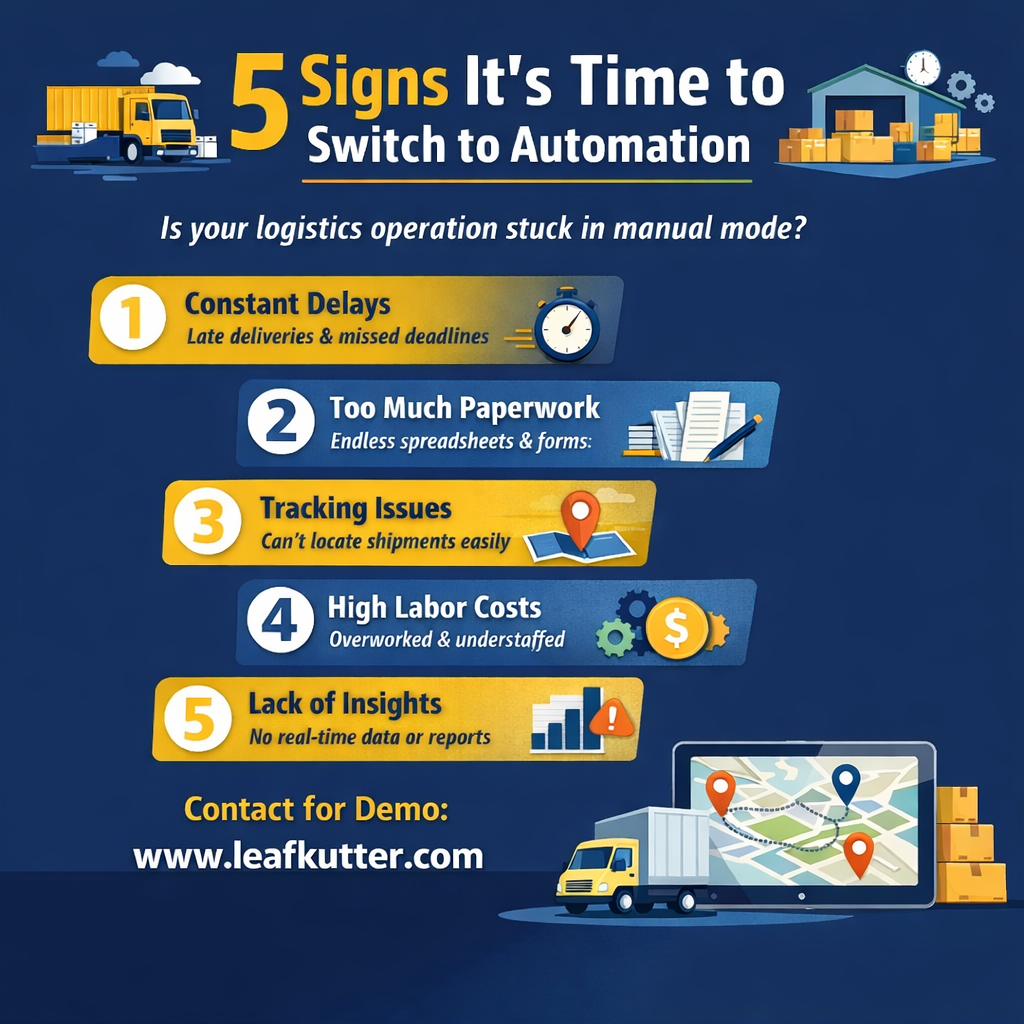
Modern fleet operators face challenges such as rising fuel costs, vehicle maintenance expenses, driver shortages, route inefficiencies, and customer expectations for faster deliveries.
Traditional methods involving spreadsheets, phone calls, paperwork, and manual vehicle tracking are no longer sufficient for managing large fleets efficiently.
This is where Fleet Management Software plays a crucial role.
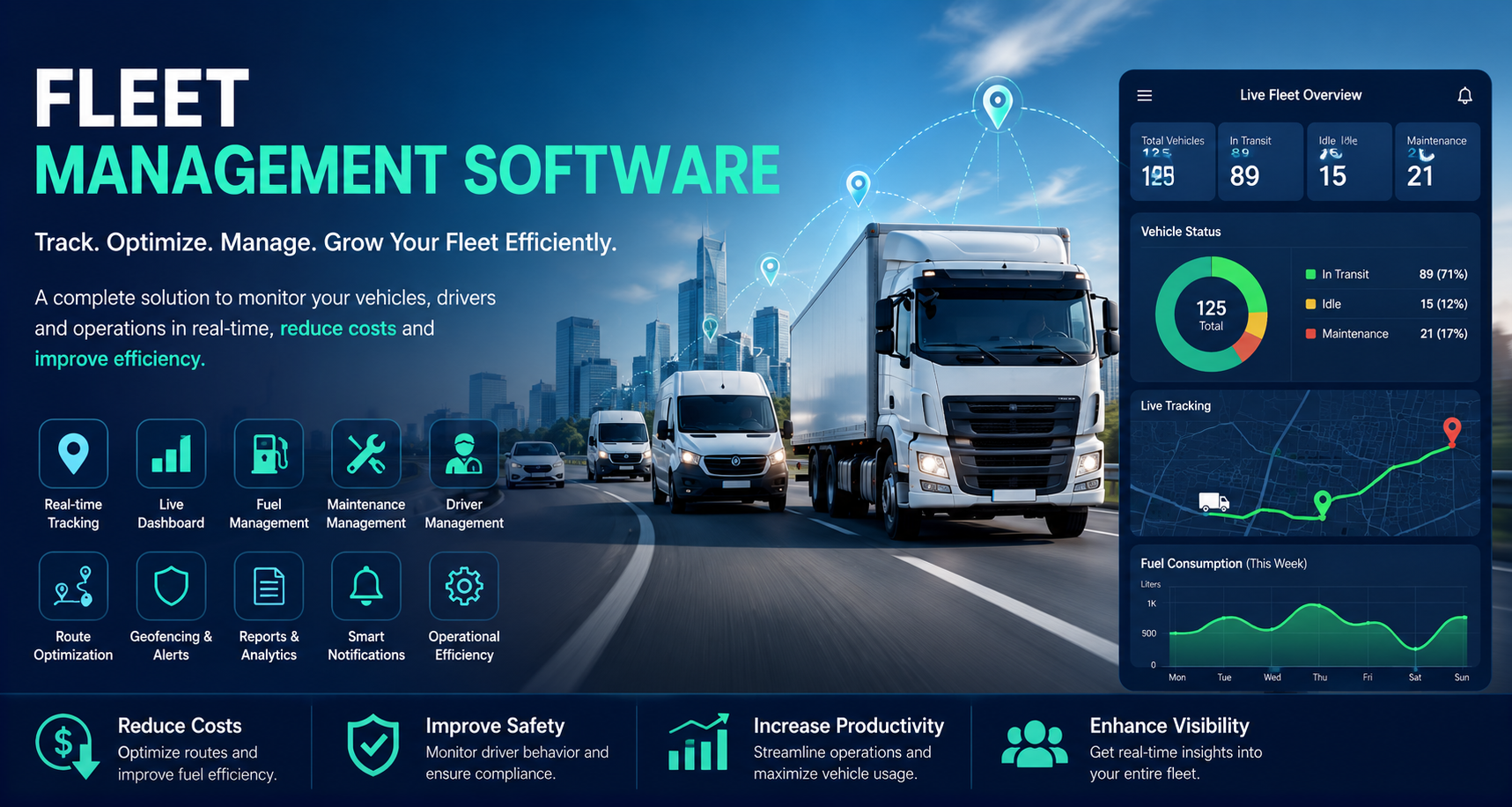
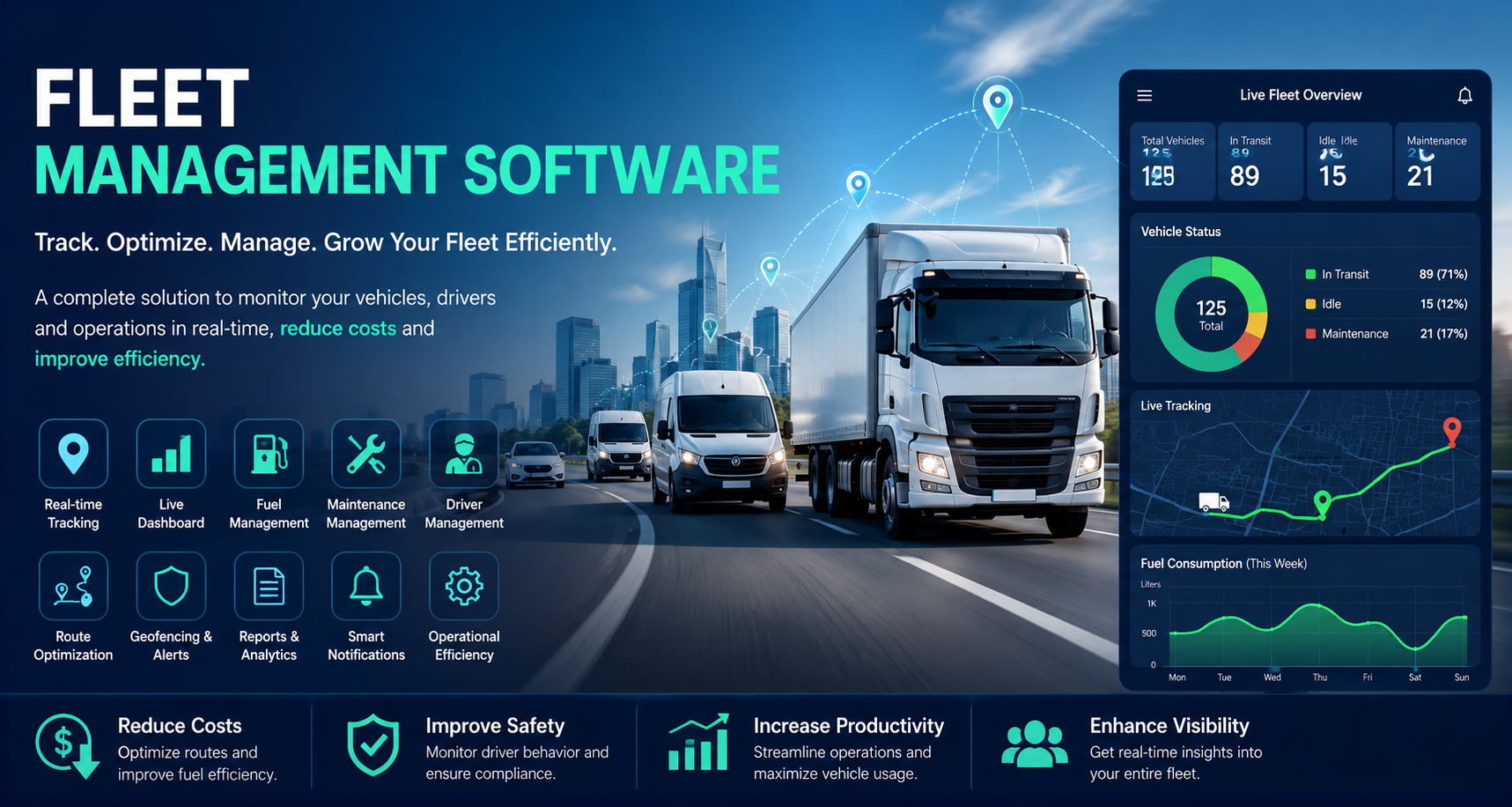
Fleet management software helps businesses monitor vehicles, drivers, fuel consumption, maintenance schedules, deliveries, and operational performance through a centralized platform.
Companies that implement modern fleet management solutions gain better visibility, improved efficiency, lower operating costs, and enhanced customer satisfaction.
What is Fleet Management Software?
Fleet Management Software is a digital platform designed to help organizations manage and monitor their vehicles, drivers, routes, maintenance activities, fuel consumption, and overall fleet operations.
The software provides real-time visibility into fleet performance while automating many routine administrative tasks.
Businesses can use fleet management software to:
- Track vehicles
- Monitor driver performance
- Schedule maintenance
- Optimize routes
- Reduce fuel costs
- Improve safety
- Generate reports
The primary objective is to maximize fleet efficiency while reducing operational expenses.
Why Fleet Management Software is Essential in 2026
The transportation industry continues to evolve rapidly.
Customer expectations have increased significantly.
Businesses are expected to provide:
- Faster deliveries
- Real-time tracking
- Accurate ETAs
- Better customer service
Without modern fleet management systems, transportation companies often struggle with:
Vehicle Downtime
Unexpected breakdowns impact productivity.
Fuel Inefficiencies
Poor route planning increases costs.
Driver Management Challenges
Monitoring driver behavior becomes difficult.
Limited Visibility
Managers lack real-time operational insights.
Fleet management software addresses these challenges effectively.
Core Features of Fleet Management Software
GPS Vehicle Tracking
GPS tracking is one of the most important fleet management features.
Managers can monitor:
- Vehicle Locations
- Route Progress
- Delivery Status
- Travel History
Benefits:
- Improved visibility
- Faster dispatch decisions
- Better customer communication
Driver Management
Drivers significantly impact fleet performance.
Driver management tools help organizations monitor:
Driver Performance
Track efficiency and productivity.
Driver Behavior
Monitor speeding, harsh braking, and unsafe driving.
Compliance Management
Track licenses, certifications, and training.
Benefits:
- Improved safety
- Reduced accidents
- Better operational control
Fleet Maintenance Management
Vehicle maintenance is essential for fleet reliability.
Fleet maintenance modules include:
- Service Scheduling
- Maintenance Reminders
- Repair Tracking
- Spare Parts Management
Benefits:
- Reduced downtime
- Lower repair costs
- Increased vehicle lifespan
Route Optimization
Fuel costs continue to rise globally.
Route optimization software helps businesses:
- Reduce travel distances
- Avoid traffic congestion
- Improve delivery schedules
Benefits:
- Lower fuel expenses
- Faster deliveries
- Improved productivity
Fuel Management
Fuel represents one of the largest transportation expenses.
Fuel management features include:
- Fuel Consumption Tracking
- Cost Monitoring
- Efficiency Reports
- Fuel Theft Detection
Benefits:
- Reduced operating costs
- Better fuel utilization
Fleet Scheduling
Fleet scheduling helps optimize resource allocation.
Functions include:
- Vehicle Assignment
- Driver Scheduling
- Delivery Planning
- Resource Utilization
Benefits:
- Increased productivity
- Improved fleet utilization
Fleet Analytics and Reporting
Modern fleet management platforms provide detailed reports on:
Vehicle Performance
Track operational efficiency.
Fuel Usage
Monitor fuel costs.
Driver Performance
Evaluate workforce productivity.
Maintenance Costs
Analyze repair expenses.
Delivery Performance
Measure customer service levels.
These insights support data-driven decision-making.
Benefits of Fleet Management Software
Reduced Operational Costs
Fleet management software helps reduce:
- Fuel Expenses
- Maintenance Costs
- Administrative Overhead
- Insurance Costs
Increased Fleet Visibility
Managers gain complete visibility into:
- Vehicle Locations
- Driver Activity
- Maintenance Status
- Delivery Progress
Improved Customer Satisfaction
Customers benefit from:
- Real-Time Tracking
- Accurate ETAs
- Faster Deliveries
Better Vehicle Utilization
Businesses maximize the productivity of existing fleet assets.
Enhanced Safety
Driver monitoring improves:
- Road Safety
- Compliance
- Risk Management
Industries That Use Fleet Management Software
Logistics Companies
Manage transportation operations efficiently.
Freight Forwarders
Monitor vehicle movements and deliveries.
Courier and Delivery Services
Track packages and delivery vehicles.
E-Commerce Businesses
Manage last-mile delivery operations.
Construction Companies
Monitor heavy equipment and fleet assets.
Utility Service Providers
Manage field service vehicles efficiently.
Challenges Solved by Fleet Management Software
Rising Fuel Costs
Route optimization reduces fuel consumption.
Vehicle Downtime
Preventive maintenance minimizes breakdowns.
Poor Fleet Visibility
GPS tracking provides real-time insights.
Driver Safety Issues
Driver behavior monitoring improves safety.
Delivery Delays
Optimized routes improve delivery performance.
Fleet Management Software vs Manual Fleet Management
FeatureManual ManagementFleet Management SoftwareVehicle TrackingLimitedReal-TimeDriver MonitoringManualAutomatedMaintenance SchedulingManualAutomatedFuel TrackingDifficultReal-TimeReportingTime ConsumingInstantRoute OptimizationLimitedAdvanced
Future Trends in Fleet Management Software
Artificial Intelligence
AI helps optimize:
- Route Planning
- Fleet Utilization
- Maintenance Scheduling
Predictive Maintenance
Machine learning identifies maintenance issues before failures occur.
IoT Fleet Monitoring
Connected devices provide:
- Vehicle Diagnostics
- Fuel Monitoring
- Driver Analytics
Cloud Fleet Management
Cloud-based systems provide:
- Remote Access
- Scalability
- Lower Infrastructure Costs
Advanced Analytics
Businesses gain deeper insights into fleet performance and profitability.
Why Logistics Companies Choose Leafkutter Fleet Management Software
Leafkutter provides a comprehensive fleet management platform designed for transportation and logistics businesses.
Key Features
- GPS Vehicle Tracking
- Driver Management
- Maintenance Scheduling
- Fuel Monitoring
- Route Optimization
- Fleet Reporting
- Vehicle Performance Analytics
- Delivery Tracking
Benefits
- Reduced Fuel Costs
- Improved Fleet Visibility
- Enhanced Driver Safety
- Better Vehicle Utilization
- Lower Maintenance Expenses
- Increased Customer Satisfaction
Leafkutter helps transportation companies streamline fleet operations while improving efficiency and profitability.
Frequently Asked Questions
What is fleet management software?
Fleet management software helps businesses manage vehicles, drivers, maintenance, fuel consumption, and fleet operations from a centralized platform.
Can fleet management software reduce fuel costs?
Yes. Route optimization and fuel monitoring significantly reduce fuel expenses.
What industries use fleet management software?
Logistics companies, transportation providers, delivery services, freight forwarders, and field service organizations commonly use fleet management software.
How does fleet management software improve safety?
Driver monitoring tools help identify unsafe behaviors and improve compliance.
Is fleet management software suitable for small businesses?
Yes. Modern cloud-based solutions are scalable and suitable for fleets of all sizes.
Conclusion
Fleet management software has become an essential technology for modern transportation and logistics businesses. Organizations that implement advanced fleet management systems gain greater visibility, improved efficiency, reduced costs, enhanced safety, and better customer satisfaction.
As transportation operations become increasingly complex, businesses must invest in technology that helps optimize fleet performance and maximize profitability.
Discover Leafkutter Fleet Management Software
Leafkutter delivers intelligent fleet management solutions that help logistics companies track vehicles, manage drivers, optimize routes, reduce fuel costs, and improve operational efficiency.