Transportation Management Software: Complete Guide for Modern Logistics Operations in 2026
Transportation is the backbone of every logistics and supply chain operation. Whether moving products across cities, states, or international borders, transportation efficiency directly impacts profitability, customer satisfaction, and business growth.
As logistics operations become increasingly complex, businesses need advanced technology solutions to manage transportation activities efficiently.
This is where Transportation Management Software (TMS) plays a critical role.
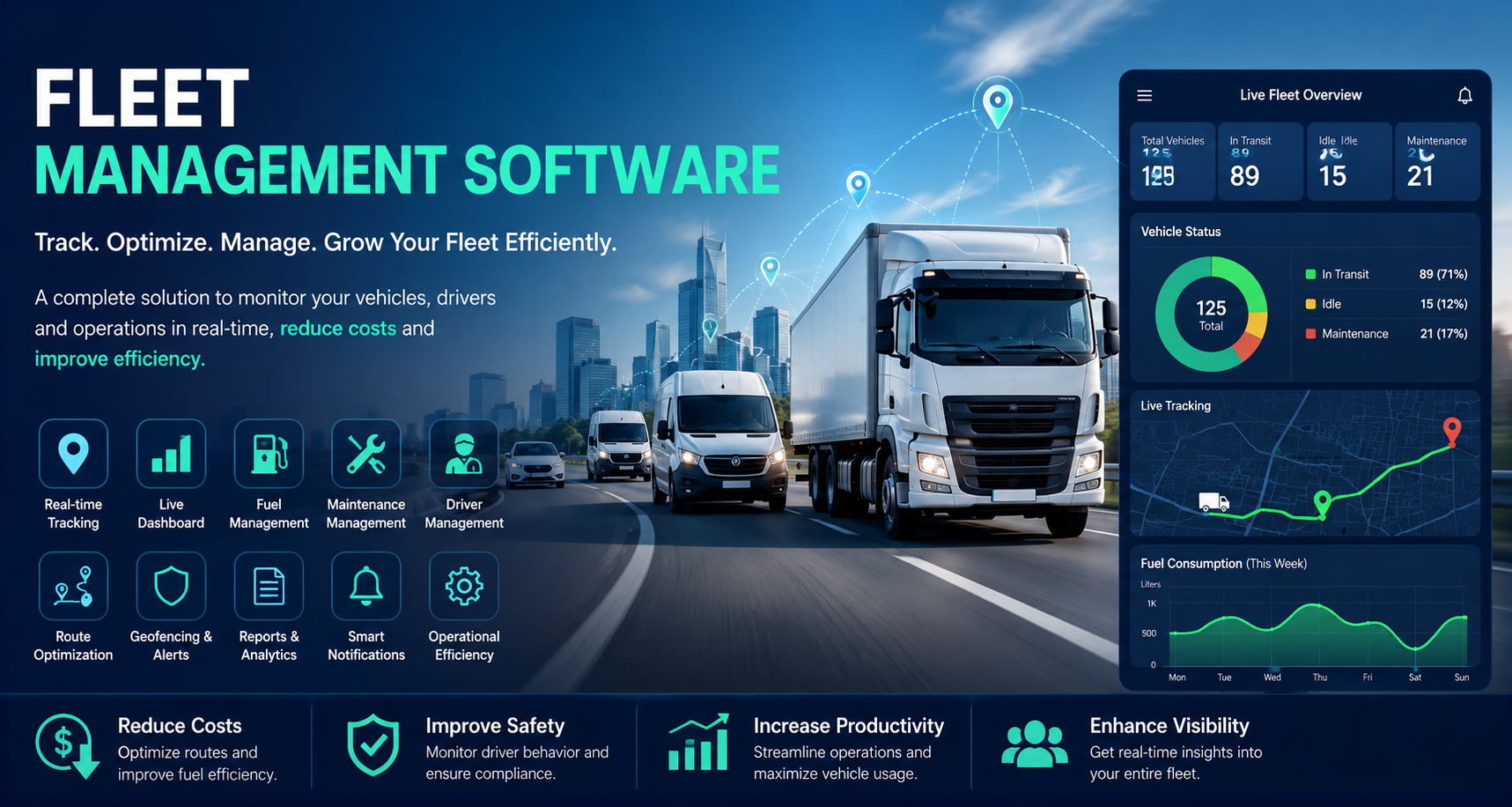
Transportation Management Software helps logistics companies plan, execute, monitor, and optimize transportation operations from a centralized platform. It enables organizations to improve shipment visibility, reduce transportation costs, automate workflows, and enhance customer service.
In this guide, we'll explore everything transportation businesses need to know about transportation management software and how it can transform logistics operations.
What is Transportation Management Software?
Transportation Management Software (TMS) is a digital platform designed to help businesses manage transportation planning, shipment execution, carrier management, route optimization, tracking, and freight operations.
A transportation management system serves as the central hub for coordinating transportation activities across the supply chain.
Businesses use transportation software to:
- Plan shipments
- Manage carriers
- Optimize routes
- Track deliveries
- Monitor transportation costs
- Improve operational efficiency
The goal is to streamline transportation processes while maximizing service levels and profitability.
Why Transportation Management Software is Important
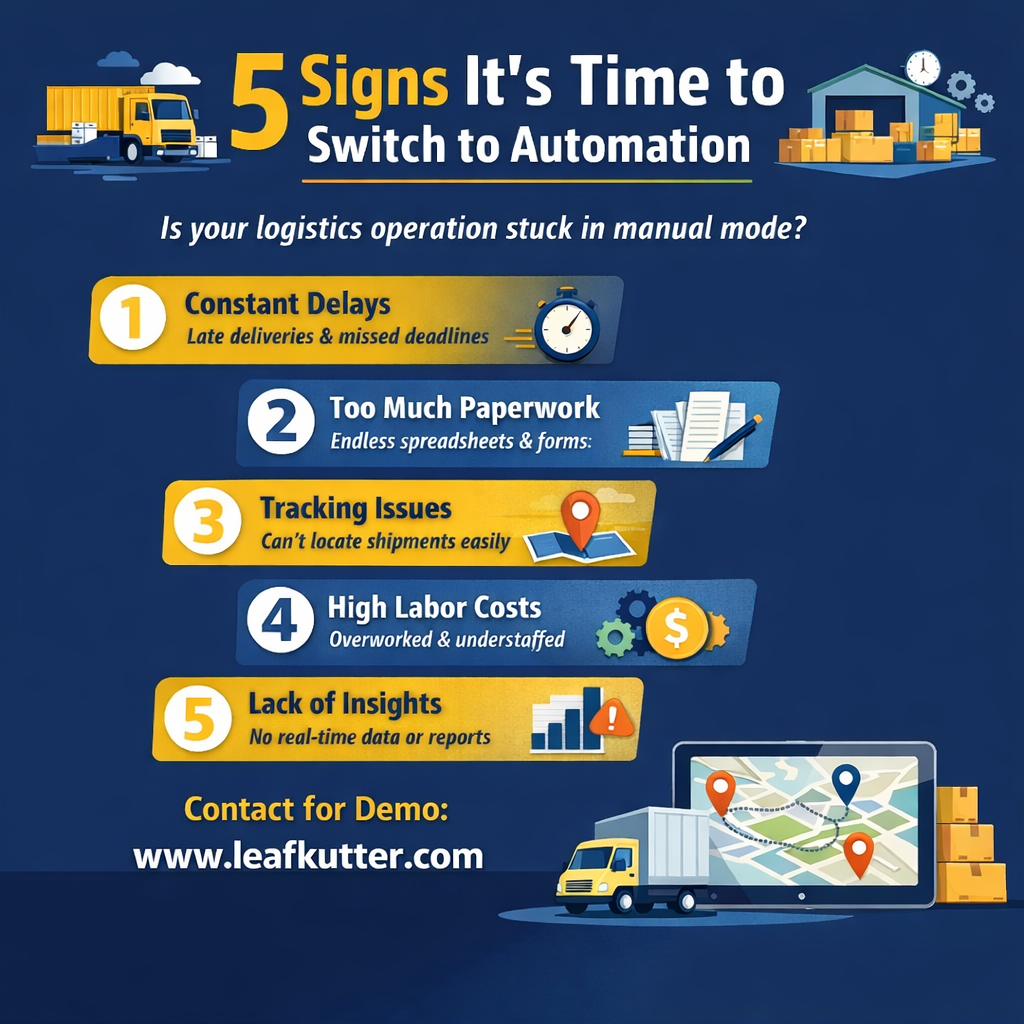
Modern logistics companies face several transportation challenges:
Rising Fuel Costs
Transportation expenses continue to increase globally.
Delivery Delays
Unexpected delays impact customer satisfaction.
Carrier Management Complexity
Managing multiple carriers manually becomes difficult.
Limited Visibility
Businesses need real-time transportation insights.
Increasing Customer Expectations
Customers demand transparency and accurate delivery updates.
Transportation management software addresses these challenges through automation and real-time visibility.
Core Features of Transportation Management Software
Shipment Planning
Shipment planning helps businesses organize transportation activities efficiently.
Functions include:
- Shipment Scheduling
- Load Planning
- Carrier Assignment
- Route Selection
Benefits:
- Improved efficiency
- Reduced transportation costs
- Better resource utilization
Route Optimization
Route optimization is one of the most valuable features of transportation software.
The system identifies the most efficient routes based on:
- Distance
- Traffic Conditions
- Delivery Priorities
- Vehicle Capacity
Benefits:
- Lower fuel costs
- Faster deliveries
- Improved productivity
Carrier Management
Transportation companies often work with multiple carriers.
Carrier management features help businesses:
- Maintain carrier records
- Evaluate performance
- Manage contracts
- Compare rates
Benefits:
- Better carrier selection
- Improved service quality
- Reduced transportation expenses
Real-Time Shipment Tracking
Shipment visibility is essential in modern logistics.
Transportation management software provides:
- GPS Tracking
- Delivery Status Updates
- ETA Monitoring
- Exception Alerts
Benefits:
- Better customer communication
- Faster issue resolution
- Improved operational control
Freight Management
Freight management modules support:
- Freight Planning
- Freight Cost Management
- Carrier Coordination
- Freight Tracking
Benefits:
- Reduced freight expenses
- Improved shipment visibility
Transportation Analytics
Advanced reporting capabilities provide insights into:
Transportation Costs
Track and control expenses.
Carrier Performance
Evaluate service quality.
Delivery Performance
Measure customer service levels.
Route Efficiency
Identify optimization opportunities.
Analytics help management make informed decisions.
Benefits of Transportation Management Software
Reduced Transportation Costs
TMS solutions help reduce:
- Fuel Costs
- Carrier Expenses
- Administrative Costs
- Operational Inefficiencies
Increased Visibility
Managers gain real-time access to:
- Shipment Locations
- Carrier Activity
- Delivery Status
- Transportation Performance
Improved Customer Service
Customers benefit from:
- Real-Time Tracking
- Accurate Delivery Updates
- Faster Responses
Better Resource Utilization
Transportation software helps maximize:
- Vehicle Capacity
- Driver Productivity
- Carrier Efficiency
Enhanced Decision Making
Advanced analytics provide valuable business intelligence.
Transportation Management Software for Different Industries
Logistics Companies
Manage transportation networks efficiently.
Freight Forwarders
Coordinate domestic and international shipments.
Manufacturing Companies
Optimize product distribution.
Retail Businesses
Improve delivery operations.
E-Commerce Companies
Manage last-mile delivery activities.
Third-Party Logistics Providers (3PL)
Coordinate transportation for multiple clients.
Challenges Solved by Transportation Management Software
Manual Transportation Planning
Automation eliminates repetitive planning tasks.
Poor Shipment Visibility
Real-time tracking provides complete transparency.
Rising Freight Costs
Carrier management and route optimization reduce expenses.
Delivery Delays
Transportation monitoring improves delivery performance.
Customer Communication Issues
Automated notifications keep customers informed.
Transportation Management Software vs Traditional Methods
FeatureTraditional ManagementTransportation SoftwareShipment PlanningManualAutomatedCarrier ManagementManualCentralizedRoute OptimizationLimitedAdvancedTrackingLimitedReal-TimeReportingTime ConsumingInstantCost AnalysisDifficultAutomated
Key Features to Look for in Transportation Management Software
Before selecting a TMS platform, businesses should evaluate:
Route Optimization
Reduce transportation costs.
Carrier Management
Manage transportation partners effectively.
Shipment Tracking
Gain real-time visibility.
Analytics & Reporting
Support data-driven decisions.
Mobile Accessibility
Enable remote access.
API Integrations
Connect with ERP and logistics platforms.
Cloud Deployment
Improve scalability and accessibility.
Future Trends in Transportation Management Software
Artificial Intelligence
AI improves:
- Route Planning
- Carrier Selection
- Cost Optimization
Predictive Analytics
Forecast delays and transportation risks.
Internet of Things (IoT)
Connected devices provide:
- Vehicle Monitoring
- Cargo Tracking
- Fleet Diagnostics
Transportation Automation
Automate:
- Dispatching
- Shipment Tracking
- Carrier Communication
Cloud-Based Transportation Platforms
Enable real-time collaboration across logistics networks.
Why Logistics Companies Choose Leafkutter Transportation Management Software
Leafkutter offers a modern Transportation Management System designed to help logistics companies optimize transportation operations.
Key Features
- Shipment Planning
- Route Optimization
- Carrier Management
- Freight Management
- Real-Time Tracking
- Transportation Analytics
- Delivery Monitoring
- Customer Portal
Benefits
- Reduced Transportation Costs
- Improved Shipment Visibility
- Better Carrier Performance
- Faster Deliveries
- Enhanced Customer Satisfaction
- Increased Operational Efficiency
Leafkutter empowers logistics organizations to manage transportation activities through a centralized, scalable platform.
Frequently Asked Questions
What is transportation management software?
Transportation management software helps businesses plan, execute, monitor, and optimize transportation operations.
Who uses transportation management systems?
Logistics companies, freight forwarders, manufacturers, retailers, and e-commerce businesses commonly use TMS platforms.
Can transportation management software reduce costs?
Yes. Route optimization, carrier management, and transportation analytics help reduce expenses significantly.
What are the key features of a TMS?
Important features include shipment planning, route optimization, carrier management, freight tracking, and reporting.
Is cloud-based transportation software better?
Cloud platforms provide greater scalability, accessibility, and lower infrastructure costs.
Conclusion
Transportation Management Software has become a critical technology for modern logistics operations. Businesses that invest in advanced transportation management systems gain improved visibility, lower costs, better delivery performance, and enhanced customer satisfaction.
As transportation networks become more complex, organizations must leverage technology to remain competitive and profitable.
Explore Leafkutter Transportation Management Software
Leafkutter provides intelligent transportation management solutions that help logistics companies streamline transportation planning, optimize routes, manage carriers, track shipments, and improve operational performance.